








Laser hair removal is generally considered a safe cosmetic procedure when the right device and settings are selected for the individual and treatment is performed by an appropriately trained professional. However, it is not completely risk-free.
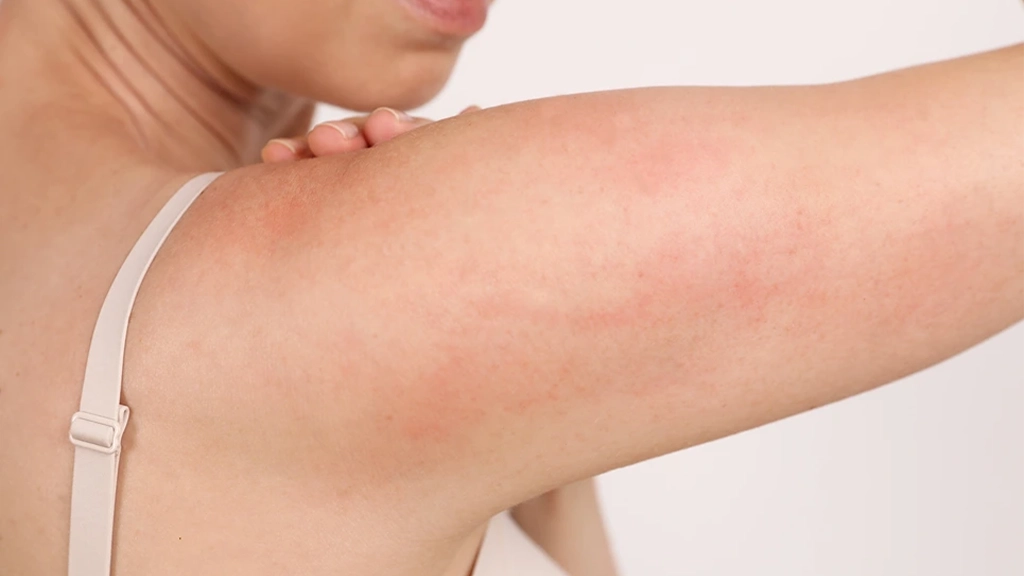
Temporary redness, swelling and discomfort are common after treatment. Less common complications can include burns, blistering, changes in skin pigmentation, infection and scarring. Skin tone, recent sun exposure, medications, treatment area and the experience of the person performing the procedure can all influence risk.
What Are the Most Common Side Effects of Laser Hair Removal?
The skin often reacts temporarily because laser energy heats pigment within the hair follicle.
| Side Effect | What You May Notice | Typical Context |
|---|---|---|
| Redness | Pink or red treated skin | Common shortly after treatment |
| Swelling | Mild swelling around follicles | Common and temporary |
| Discomfort | Warmth, stinging or tenderness | Usually short-lived |
| Temporary pigment change | Skin may become darker or lighter | Risk varies with skin tone and sun exposure |
| Dryness or sensitivity | Treated skin may feel more sensitive | Usually settles during recovery |
The American Academy of Dermatology notes that discomfort, swelling and redness are the most common effects and often last around one to three days.
A cool compress and the aftercare recommended by the treating professional may help with temporary discomfort. Sun protection is particularly important because tanning and UV exposure can increase the risk of unwanted pigment changes.
Can Laser Hair Removal Cause Burns or Scarring?
Yes, although these complications are less common.
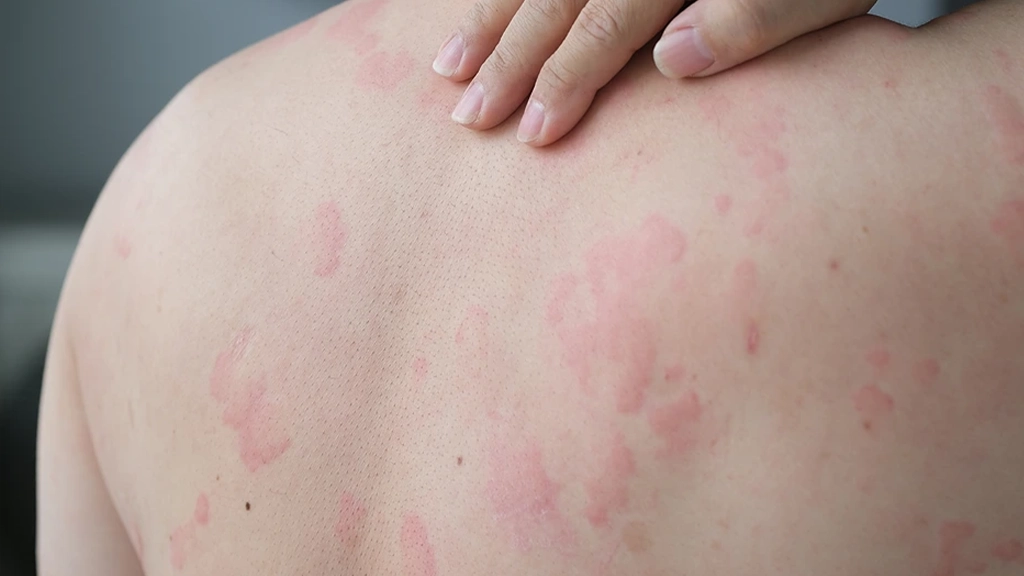
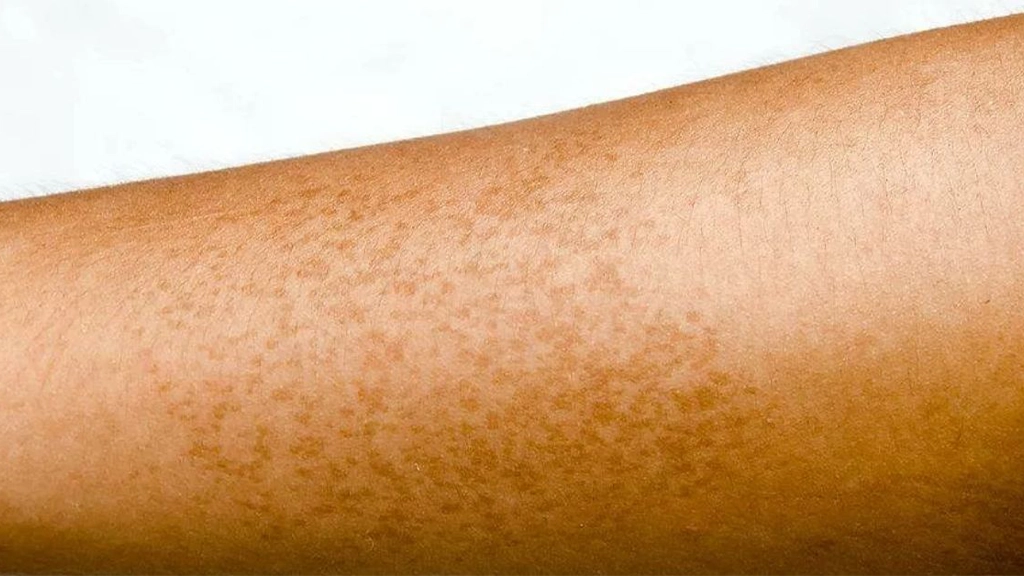
Excessive heat reaching the skin can cause blistering, crusting or burns. Scarring and persistent changes in skin texture or pigmentation are also possible, but they are uncommon when laser hair removal is performed appropriately.
Risk is influenced by factors such as:
- Skin pigmentation
- Recent tanning or sun exposure
- Laser type
- Treatment settings
- Treatment area
- Certain medications
- Operator experience
- Post-treatment care
This is why treatment settings should be individualized rather than based on one fixed energy level or pulse duration for everyone.
When Should You Contact the Provider After Treatment?
Some redness and swelling can be expected. Symptoms that are worsening rather than settling deserve more attention.
- Significant or increasing pain
- Blistering
- Extensive crusting or weeping
- Spreading redness
- Signs of infection
- Persistent or severe pigment changes
- Unexpected eye symptoms after treatment near the face
Healthcare laser guidance advises medical review when blistering, crusting or other significant reactions develop.
Is Laser Hair Removal Safe for Dark Skin?
Laser hair removal can be performed on darker skin tones, but device choice, settings and operator experience become especially important.
Melanin in the skin can also absorb laser energy. If too much energy is absorbed by the surrounding skin, burns or hyperpigmentation and hypopigmentation may occur. AAD advises choosing a professional with specific experience treating patients with your skin tone.
Longer-wavelength systems such as Nd:YAG are commonly considered when treating darker skin because they can reduce epidermal melanin absorption relative to some shorter-wavelength lasers, but no laser should be presented as automatically risk-free for every dark skin tone.
The safer principle is not simply “use lower energy.” It is to select the appropriate device and individualized parameters based on skin tone, hair characteristics and the treatment area.

Who Should Get Extra Medical Review Before Laser Hair Removal?
Some situations do not automatically make treatment impossible, but they should be discussed during consultation.
Tell the provider if you have:
- A recent tan or significant sun exposure
- A history of keloids or problematic scarring
- Active eczema, psoriasis or another skin condition in the area
- A history of cold sores
- Current skin infection or irritation
- Medicines or skincare products that may increase light sensitivity
- Previous problems with laser treatment
- Tattoos in or near the treatment area
AAD specifically recommends discussing recent tanning, a tendency to scar, keloids, herpes outbreaks and current medications before treatment.
This is more accurate than labeling every person with one of these factors as someone who “cannot undergo laser hair removal.”
Can Laser Hair Removal Be Used Over Tattoos?
Laser hair removal should not be applied directly over tattooed skin.
Hair-removal lasers target pigment, and tattoo pigment can also absorb energy. This may damage the skin or affect the tattoo. Treatment planning should clearly identify tattooed areas before the procedure. Mayo Clinic lists tattooed skin among areas where laser hair removal should not be performed.
Extra caution is required around the eyes.
Laser hair removal should not be performed on the eyelids, eyebrows or immediately surrounding areas because accidental laser exposure can cause serious eye injury. Appropriate eye protection is also essential during facial laser procedures.
This is an important correction to the current article, which suggests eyebrows can generally be treated with additional care.
Is Laser Hair Removal Safe During Pregnancy?
Elective cosmetic laser hair removal is generally postponed during pregnancy, largely because high-quality safety data specifically addressing cosmetic hair removal during pregnancy are limited.
Available reviews of cutaneous laser use have not demonstrated a clear fetal injury signal, but evidence is largely based on case reports and series rather than controlled studies. For elective cosmetic procedures, postponing treatment until after pregnancy remains the more cautious approach.
The article should therefore avoid suggesting that laser hair removal is known to harm a fetus or that pregnancy-related skin sensitivity is the sole reason treatment is deferred.
Does Laser Hair Removal Cause Cancer?
Hair-removal lasers use non-ionizing light, not the ionizing radiation associated with X-rays.
The FDA explains that medical laser radiation should not be confused with ionizing radiation and does not carry the same type of long-term radiation risk as X-rays.
Current medical guidance does not treat cancer as an established complication of laser hair removal.
Does Laser Hair Removal Affect Fertility?
Laser hair removal works by delivering light energy to pigment within superficial hair follicles.
It is not a treatment directed at the reproductive organs. Concerns about fertility should therefore be kept separate from the recognized skin and eye risks of laser treatment.
Rather than using an absolute marketing statement, the article should explain that fertility damage is not an established adverse effect of laser hair removal and focus on complications that are actually documented.

Is Laser Hair Removal Permanent?
Laser treatment can produce substantial and long-lasting reduction in unwanted hair, but it should not be promised to leave every patient permanently hair-free.
Multiple sessions are usually needed because hairs pass through different growth phases. AAD guidance describes patients commonly requiring several treatments, with some later needing maintenance when hair regrows. Results vary according to:
- Hair color and thickness
- Skin tone
- Body area
- Hormonal influences
- Laser type
- Number of sessions
- Individual response
Light blonde, white and gray hairs respond less predictably because they contain less pigment for the laser to target.
For this reason, the current fixed statement of “6–8 sessions every 4–6 weeks” should be replaced with individualized language rather than presented as a universal treatment schedule.
How Can You Reduce the Risks of Laser Hair Removal?
Safety begins before the laser is switched on.
A proper consultation should assess skin tone, hair characteristics, medical history, medications, recent tanning and previous skin reactions. The provider should also have experience using the selected device on patients with a similar skin tone.
Important precautions include:
- Avoid tanning before treatment
- Tell the provider about medications and skincare products
- Discuss previous scarring or pigment problems
- Use appropriate eye protection
- Avoid direct treatment over tattoos
- Follow individualized post-treatment instructions
- Protect treated skin from excessive sun exposure
The skill and experience of the person performing laser treatment are major safety factors. AAD specifically warns that burns, scars and permanent pigment changes are more likely when lasers are used by inexperienced hands.
Is Laser Hair Removal Right for Your Skin?
Skin tone, hair color and treatment area can all affect safety and results.
A professional assessment can help determine whether laser hair removal is
suitable for you.
Is Laser Hair Removal Right for Your Skin?
Skin tone, hair color and treatment area can all affect safety and results. A professional assessment can help determine whether laser hair removal is suitable for you.
Final Answer: Is Laser Hair Removal Dangerous?
Laser hair removal is generally well tolerated when appropriate technology, individualized treatment settings and trained professionals are involved.
Temporary redness, swelling and discomfort are expected reactions for many patients. Burns, blistering, infections, scars and persistent pigment changes are possible but less common. Darker skin tones can also be treated, but choosing a provider experienced with that skin tone is especially important.
The most useful question is therefore not simply whether laser hair removal is “safe” or “dangerous.”
It is whether the device, treatment settings, provider and aftercare are appropriate for the individual being treated.